
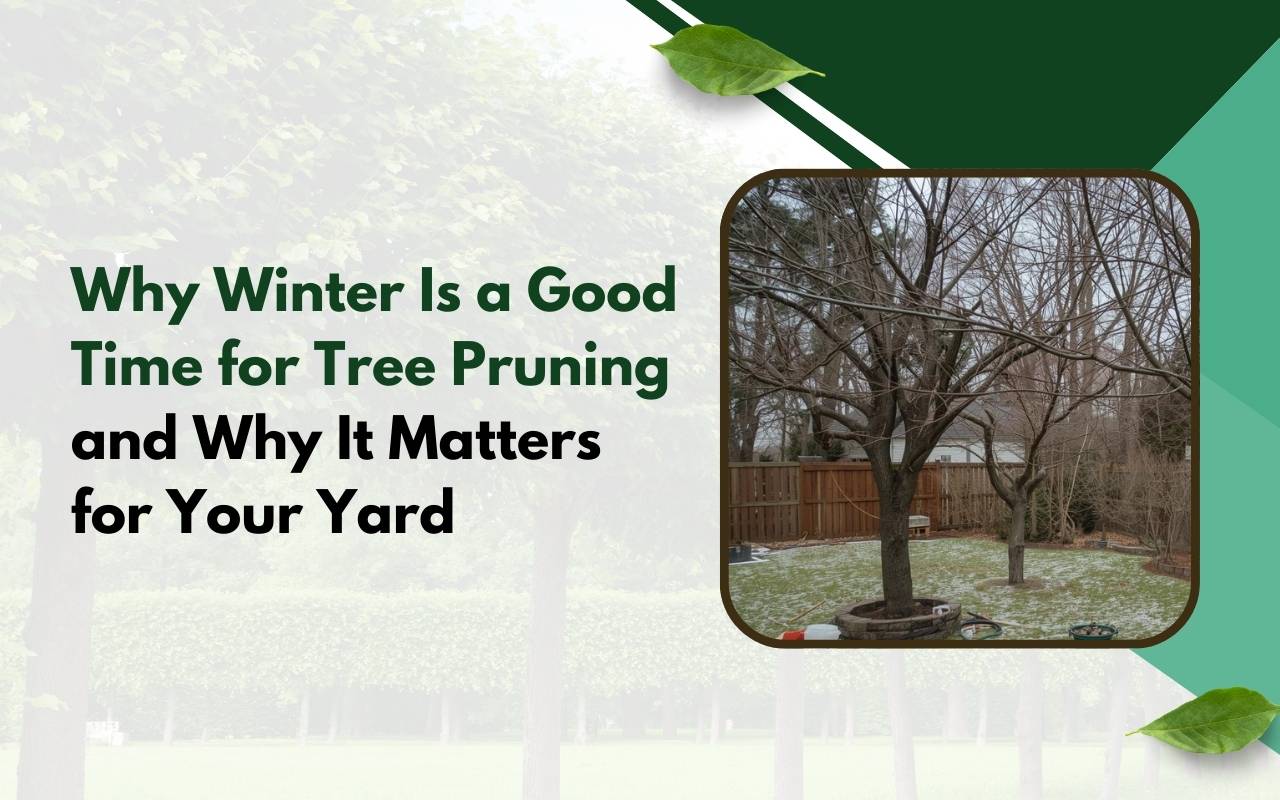
Why Winter Is a Good Time for Tree Pruning is something many homeowners overlook. Yet it can greatly benefit tree health and safety. During the colder months, trees rest, so careful cuts cause less stress. As a result, winter work often leads to stronger, safer branches when spring growth begins.
Because leaves are gone, it is easier to see each branch, spot damage, and plan precise cuts. This clear view helps reduce risks near roofs, driveways, and power lines. Moreover, winter pruning can guide growth away from structures and create a balanced shape that looks better all year.
Winter Tree Pruning Strategies That Work
Before you pick up your tools, it helps to follow simple, proven winter pruning strategies. These steps help protect your trees and your property. They also reduce the chance of disease and help wounds seal as temperatures warm.
- Remove dead, broken, or diseased branches first for safety.
- Thin crowded branches to let light and air reach the canopy.
- Keep branch collars intact so cuts heal more quickly.
- Avoid removing more than one third of the live crown in a season.
- Call a certified arborist for large limbs or trees near utility lines.
For complex projects or mature trees, consider professional help. Our tree pruning services provide trained crews, proper equipment, and safe techniques tailored to your landscape.
Key Elements to Consider Before Pruning in Winter
Not every tree responds the same way to cold season pruning. First, identify the species in your yard and learn how it reacts to winter cuts. Some flowering trees form buds on old wood, so heavy pruning could reduce spring blooms.
Next, check the weather forecast. Extremely cold days or icy conditions can make ladders and branches unsafe. Additionally, be sure your tools are clean and sharp so each cut is smooth, precise, and less likely to invite disease.
Key Reasons Why Winter Is a Good Time for Tree Pruning
When you understand that Why Winter Is a Good Time for Tree Pruning aligns with your trees’ natural rest period, planning becomes easier. Sap flow is lower, insects are less active, and many diseases spread more slowly in cold weather.
- Dormant trees experience less shock from structural cuts.
- Without leaves, it is easier to spot weak branch unions and crossing limbs.
- Pruning in winter prepares trees to put energy into new, healthy growth in spring.
- Scheduling work in the off season can reduce disruption to your yard and garden beds.
Winter is also a smart time to shape trees away from buildings and driveways. If you live nearby, expert tree trimming in Fyffe, AL can keep branches clear of structures while still protecting tree health.
Common Challenges and Mistakes in Winter Tree Pruning
Even with good intentions, it is easy to make mistakes during winter pruning. However, knowing the most common problems can help you avoid them and keep trees thriving.
- Cutting flush with the trunk instead of just outside the branch collar.
- Leaving long stubs that dry out and attract pests.
- Removing too many limbs at once and weakening the tree structure.
- Using dull tools that crush bark instead of making clean cuts.
- Working alone on tall trees without proper safety gear.
If you feel unsure about a cut, pause and reassess. In many cases, hiring a professional arborist is safer than guessing, especially for large shade trees or trees over structures.
Why Winter Tree Pruning Matters for Safety and Growth
Thoughtful winter pruning does more than shape a nice canopy. It can remove hazardous limbs before strong winds or storms arrive. As a result, you reduce the chance of falling branches damaging vehicles, roofs, or play areas.
Careful cuts also guide future growth. Over time, this creates stronger branch angles, better clearance over sidewalks, and a more attractive form. In addition, healthy structure can extend the life of your trees and increase your property’s curb appeal.
Frequently Asked Questions
Why Winter Is a Good Time for Tree Pruning for my property?
Homeowners benefit because Why Winter Is a Good Time for Tree Pruning often lines up with the tree’s dormant season. During this period, branches are less active, pests are slower, and wounds can begin to heal before spring growth. Therefore, you see healthier foliage and safer structure when warm weather returns.
Which trees should not be pruned in winter?
Some early blooming ornamentals form flower buds on older wood, so heavy winter pruning can remove next season’s color. Instead, prune these trees right after they bloom. Likewise, very stressed or diseased trees may need a custom plan from a certified arborist before any major cuts are made.
How much of a tree can I safely prune at one time?
As a general guide, avoid removing more than about one third of the living crown in a single season. Taking more can shock the tree and reduce its ability to produce food. When in doubt, spread structural pruning over several years to keep the tree stable.
Is it better to hire a professional for winter pruning?
For small, low branches, many homeowners can prune safely with the right tools. However, taller trees, limbs near power lines, or branches over roofs are best left to trained crews. A licensed, insured tree company will have climbing gear, rigging equipment, and pruning knowledge to manage risks.
When should I schedule a winter tree inspection?
Ideally, schedule an inspection before severe winter storms arrive, so hazards are handled early. Moreover, booking during the dormant season gives crews more flexibility. You can easily request a winter tree assessment to identify problem limbs and plan any needed pruning.
Conclusion
Winter offers a unique chance to improve tree structure, protect your property, and set up strong spring growth. By planning ahead, using safe techniques, and recognizing when to call in experts, you can keep your landscape healthy.
With clear views of each limb and fewer pest problems, winter pruning becomes a practical, efficient way to care for your trees year after year.