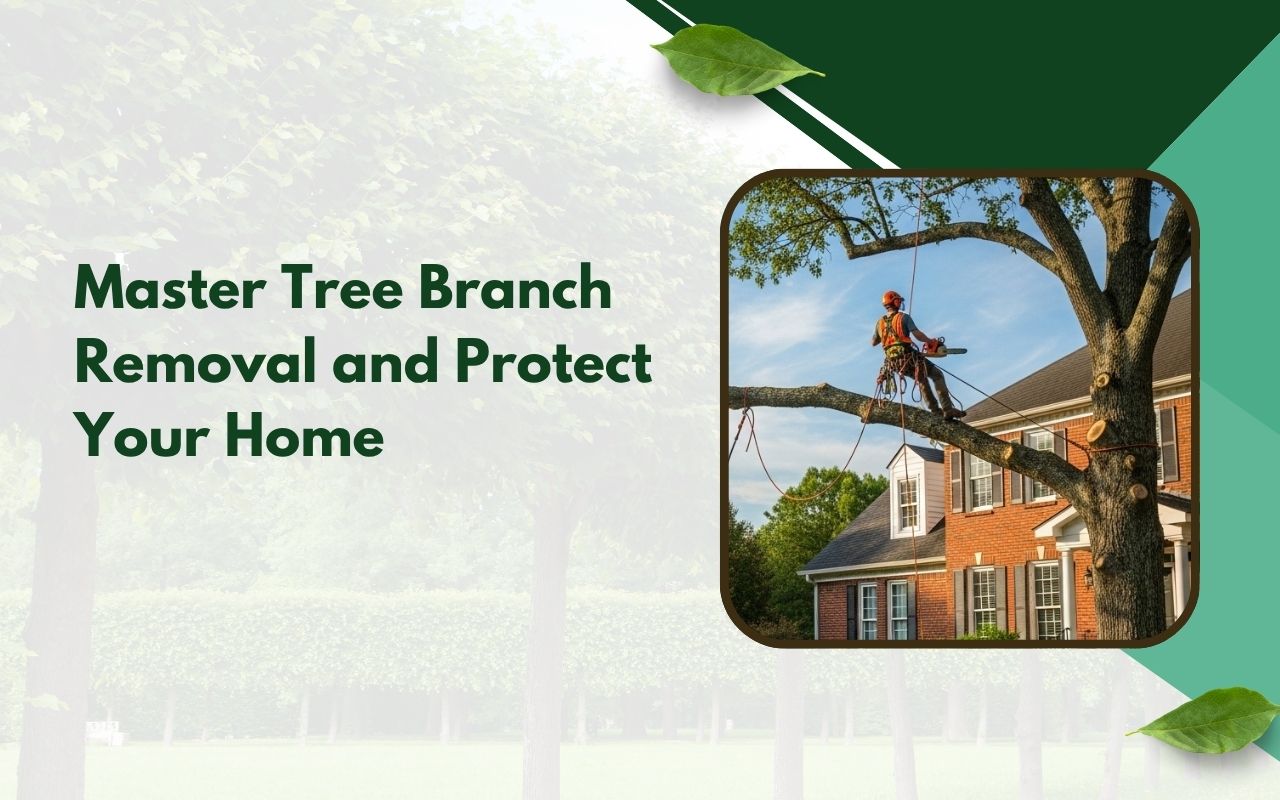
When storms hit or limbs grow too far, tree branch removal becomes important for safety and peace of mind. At Cabrera Professional Tree Service LLC, we know homeowners want clear steps that feel simple and useful.
Moreover, the right method helps prevent damage, keeps your yard neat, and supports tree health. This guide explains practical ways to handle branch problems around your home with more confidence and less stress.
Inspect Damage Early and Reduce Property Risks
First, walk around your yard and look for cracked, dead, or hanging limbs. This early check helps you spot urgent hazards before they cause harm to your roof, driveway, fence, or garden.
In addition, focus on branches with weak joints, visible decay, or odd leaning angles. Cabrera Professional Tree Service LLC recommends handling the most dangerous limbs first so the job stays safer and more organized.
Choose Proper Tools and Improve Cutting Safety
Next, gather the right tools before you begin. Clean loppers, a pruning saw, gloves, eye protection, sturdy boots, and a stable ladder make the work easier and help lower the chance of injury.
- Use loppers for small limbs and a pruning saw for medium branches.
- Wear gloves, eye protection, and a hard hat under heavy limbs.
- Keep rope ready to guide heavy pieces down with better control.
As a result, each step feels more controlled and less rushed. Cabrera Professional Tree Service LLC also suggests checking every tool before use so you can work with steady hands and better peace of mind.
Prepare Your Work Area and Prevent Accidents
Before cutting, check the weather and wait for calm, dry conditions. Wet surfaces and strong wind can make branches swing suddenly, so it is always smarter to work when the area feels stable.
Also, move pets, people, and outdoor furniture away from the drop zone. During broken limb removal, this small step can prevent injuries and protect nearby items from falling debris.
Use Smart Cutting Methods and Protect Trees
For healthy results, use the three-cut method when removing larger limbs. First make a small cut underneath, then cut from above farther out, and finally remove the short stub near the branch collar.
Likewise, work in stages when doing hanging branch removal. Start with lighter twigs, then remove heavier parts, because this reduces sudden movement and helps protect both the tree and your property.
Handle Roof Areas Carefully and Avoid Wires
Branches above a home need extra care because one wrong move can damage shingles or gutters. Therefore, roof branch clearance should begin with small outer growth before larger sections are lowered with rope.
However, never remove limbs touching or near power lines on your own. Cabrera Professional Tree Service LLC strongly advises calling the utility company or trained experts for those dangerous situations.
Clean Storm Debris Fast and Sort Waste Well
After heavy weather, storm branch cleanup should start with walkways and driveways. This helps restore safe access and makes it easier to separate small twigs, medium limbs, and large wood pieces.
- Bag light debris like leaves and small twigs first.
- Cut medium limbs into shorter, easy-to-carry sections.
- Set large wood aside for pickup, reuse, or careful cutting.
For local help, tree branch removal in Fyffe, AL often requires knowing disposal rules. Cabrera Professional Tree Service LLC can also guide homeowners who want cleaner, faster yard recovery after storms.
Frequently Asked Questions
What should I check before starting tree branch removal?
First, inspect the limb, the weather, and the area below. Then, make sure your tools are sharp and your ladder stands on firm ground.
Can I remove a broken branch by myself?
Yes, small limbs may be manageable. However, large branches, unstable trees, or high areas usually need expert help for safer results.
When is professional help the better choice?
If branches are above your roof, near wires, or too heavy to guide safely, call Cabrera Professional Tree Service LLC for support.
How does branch removal affect tree growth?
In many cases, removing dead or damaged limbs improves airflow and light. Even so, cutting too much at once can stress the tree.
What happens to the wood after removal?
Many homeowners chip, compost, or stack wood for reuse. Moreover, tree branch removal services may offer hauling options for easier cleanup.
Know When Experts Should Finish the Job
Some tasks look simple at first but become risky very quickly. For example, large limbs, decay, deep splits, and major weight imbalance often require trained crews and better equipment.
- Call for help when limbs hang above roofs or vehicles.
- Get expert support when branches sit near utility lines.
- Request service when a tree shows decay or major storm damage.
Finally, Cabrera Professional Tree Service LLC is here when the work goes beyond basic trimming. Explore our tree trimming solutions, review our tree removal work, or contact our team today.