
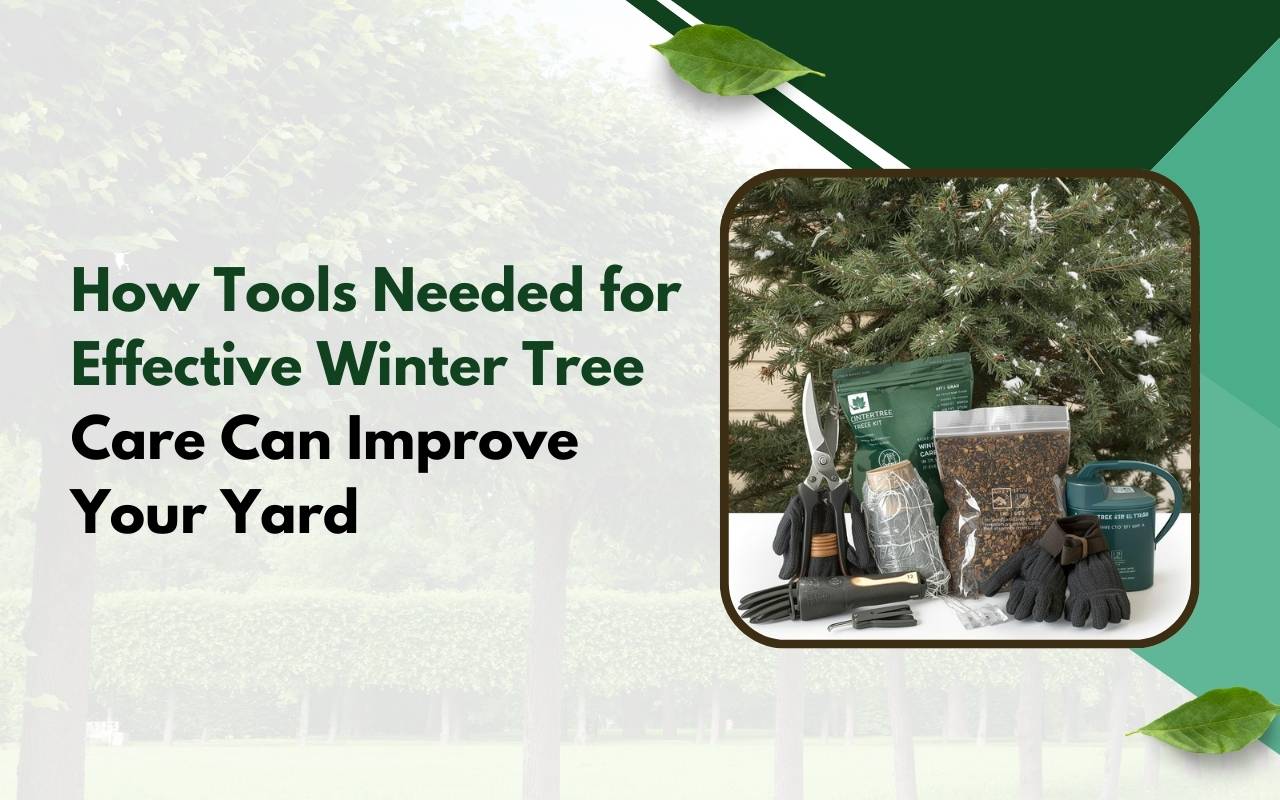
Tools Needed for Effective Winter Tree Care help homeowners protect trees when temperatures drop and conditions get harsh. With the right equipment, you can prevent broken branches, reduce storm damage, and keep your landscape healthy. Instead of guessing what to use, you can follow clear steps and give each tree what it needs.
Today, more property owners want simple ways to care for their trees during winter. Good tools make the work safer, faster, and more precise. As a result, you avoid common mistakes, support long-term tree growth, and feel more confident when you step outside with your pruning gear.
Getting Started with Tools Needed for Effective Winter Tree Care
First, focus on basic tools that almost every yard needs. These simple items handle most light winter tasks, such as small dead branches or light cleanup after a storm. By starting with the essentials, you can learn safe habits before using heavier equipment.
- Sturdy work gloves to protect your hands from cold and rough bark.
- Bypass hand pruners for thin twigs and minor pruning cuts.
- Loppers for thicker branches that hand pruners cannot handle.
- A hand saw with sharp teeth for small to medium branches.
- A rake and leaf blower for clearing fallen branches and debris.
Moreover, pairing your tools with consistent care keeps trees resilient. For regular seasonal upkeep, many homeowners combine their own work with professional tree maintenance services. This balanced approach helps avoid hidden issues that might worsen during freezing weather.
Advanced Winter Tree Care Techniques and Equipment
After you feel comfortable with basic tools, you can consider more advanced equipment. However, these tools require more skill, so take time to learn safe methods. When in doubt, ask a professional for guidance, especially for tall trees or heavy limbs.
- Pole pruners for high branches you should not reach with a ladder.
- Rigid pole saws for thicker limbs higher in the canopy.
- Chainsaws for large branches or fallen trees, used with proper training.
- Wood chippers for turning branches into mulch instead of hauling debris.
Additionally, proper safety gear is just as important as cutting tools. Use safety glasses, hearing protection, and non-slip boots whenever you work. In icy or snowy conditions, this equipment can prevent serious injuries and give you more control over each cut.
When pruning larger limbs, many property owners prefer professional tree pruning services. Experts know how much to remove without stressing the tree and can safely handle heavy branches over walkways, roofs, or power lines.
Key Elements to Consider When Choosing Winter Tree Tools
When you choose Tools Needed for Effective Winter Tree Care, think about safety first. Reliable tools feel solid in your hands and cut cleanly without forcing the blade. Clean cuts help trees heal faster and lower the risk of disease entering through open wounds.
- Fit and comfort: Handles should match your hand size and grip strength.
- Quality materials: Look for rust-resistant metal and durable, replaceable blades.
- Weight: Tools should be light enough to control but sturdy enough to last.
- Maintenance needs: Choose tools that are easy to sharpen, clean, and store.
Furthermore, think about your specific trees and climate. For example, evergreens, young ornamentals, and older shade trees may all need different tools. Matching your equipment to your landscape helps you work more efficiently all season long.
Winter Tree Care Tools vs. Traditional Approaches
Some people still skip modern Tools Needed for Effective Winter Tree Care and rely only on old habits, such as breaking branches by hand. Unfortunately, these methods often tear bark, leave jagged wounds, and weaken the tree. Purpose-built tools are designed to protect the tree while also making the job easier for you.
Traditional approaches also often ignore safety. Standing on unstable objects, reaching too far, or using dull blades can quickly lead to accidents. With the right tools and techniques, you reduce risk, perform cleaner cuts, and give trees a better chance to handle winter storms.
How to Measure Winter Tree Care Success
It is helpful to track how your trees respond after each winter. As the weather warms, look for green buds, new shoots, and healthy leaves or needles. These signs suggest that your winter care, including pruning and cleanup, supported strong growth rather than stressing the tree.
- Fewer broken branches after strong winds or ice.
- No large cracks or splits in main limbs.
- Healthy bark without peeling or deep wounds.
- Good leaf or needle color in spring.
In addition, keep brief notes about what you did each season. Record which tools you used, where you pruned, and any problems you noticed. Later, these notes help you refine your approach and spot patterns, such as branches that fail every year.
How to Use Winter Tree Tools Safely and Effectively
Before you begin any work, inspect your tools. Make sure blades are sharp, handles are secure, and moving parts work smoothly. Dull or damaged tools require more force, which increases the chances of slipping or losing control while cutting.
Always plan each cut before you lift a tool. For higher branches, confirm where the limb will fall and clear that space. Never work directly above your head with heavy tools, and avoid using ladders on icy ground. If a job feels risky, it is safer to stop.
Finally, clean and dry your tools after each use. Remove sap and dirt, then lightly oil metal parts to prevent rust. Good care extends the life of your equipment and keeps it ready for the next cold front or unexpected storm.
When to Call a Professional for Winter Tree Care
There are many situations where hiring a professional tree service is the smartest option. For example, you should not handle branches near power lines or large limbs hanging over your home. Professionals have the training, gear, and insurance needed to do this work safely.
If you notice deep cracks, sudden leaning, or fungus on the trunk, get expert advice. A certified arborist can inspect the tree, recommend specific treatments, and decide whether pruning or removal is necessary. This guidance often prevents bigger problems later.
When you need help, you can request a winter tree care evaluation. By combining expert support with your own regular upkeep, you protect your landscape and maintain a safe property for family, guests, and neighbors.
Frequently Asked Questions
What basic tools do I need for winter tree care at home?
Most homeowners can start with gloves, hand pruners, loppers, a hand saw, and a sturdy rake. With these simple tools, you can handle light pruning, remove small dead branches, and clear debris after winter storms without heavy equipment.
Do I need power tools for winter pruning?
Not always. For small and medium trees, hand tools are often enough. However, chainsaws and pole saws help with thicker limbs or fallen trees. If you are unsure about using power tools safely, it is best to call a tree care professional.
How often should I check my trees during winter?
Inspect your trees at the start of the season, after heavy storms, and again before spring. Look for broken branches, hanging limbs, or sudden leaning. Early checks allow you to remove hazards before they cause damage to people, cars, or buildings.
Can I prune any tree in winter, or are there exceptions?
Many trees handle winter pruning well, especially when they are dormant. However, some species, such as spring flowering trees, may do better with pruning after they bloom. When you are unsure, ask an arborist which timing fits your specific trees and climate.
Where can I find the right Tools Needed for Effective Winter Tree Care?
You can find most tools at local garden centers, hardware stores, or online retailers. Look for quality brands with replaceable parts and clear safety instructions. If you plan to handle more complex projects, ask a tree care company which tools they recommend for homeowners.
Keep Your Trees Protected This Winter
With the right tools, clear steps, and safe habits, winter tree care becomes much less stressful. You can protect your trees from breakage, support healthy growth in spring, and keep your property safer during storms. When tasks feel too large or risky, partnering with a professional service ensures your trees receive expert attention all season long.