
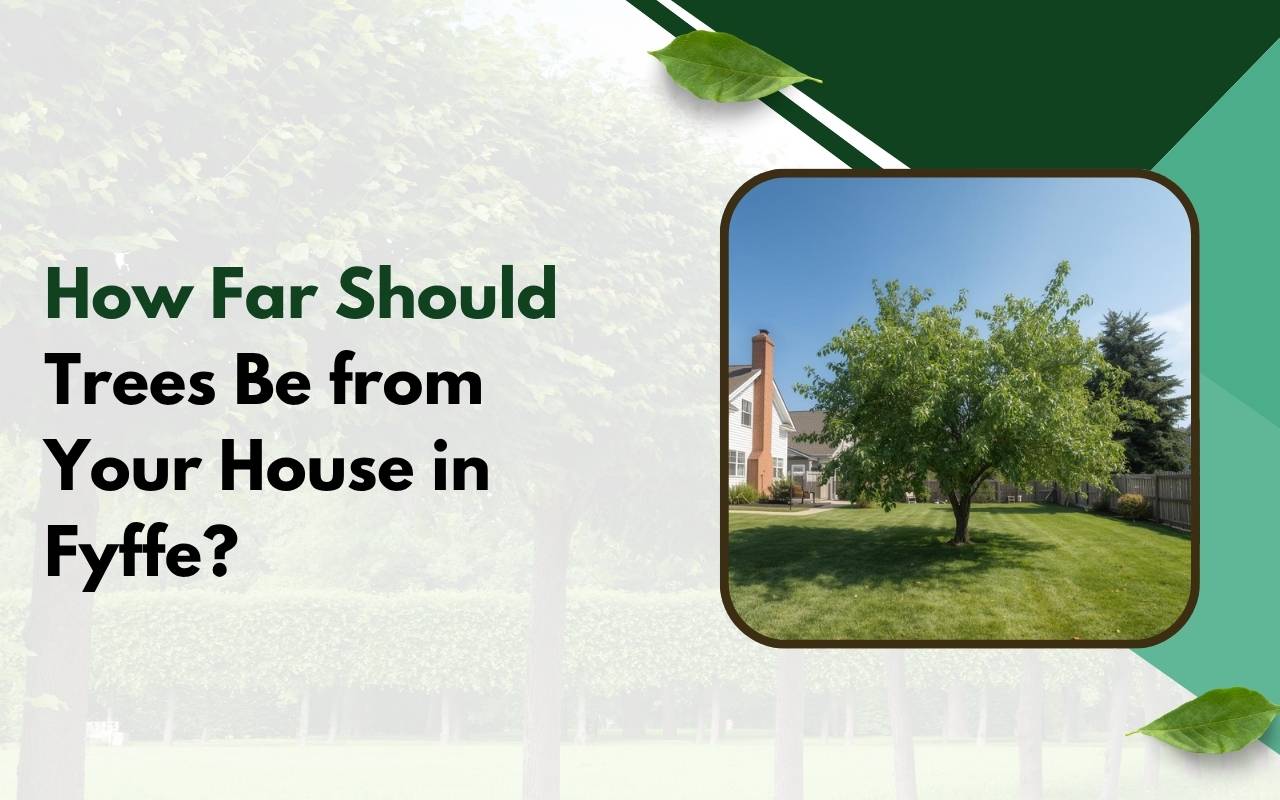
Consider the serene beauty and tranquility that trees bring to a home. They offer shade, improve air quality, and add natural elegance outside your door. However, if you live in Fyffe, you may wonder how far should trees be from house Fyffe. This decision impacts both aesthetics and structural safety. Roots can conflict with foundations, potentially causing cracks or damage. Planning carefully avoids headaches and preserves your property. Proper tree placement maintains both beauty and safety for your home and family.
Importance of Tree Placement Around Your Home
Proper tree placement creates a safe and attractive landscape. Trees provide cooling shade, reduce energy costs, and enhance curb appeal. Yet when planted too close, branches can scrape walls, leaves can clog gutters, and roots may affect pipes. A balanced layout preserves sidewalks, driveways, and underground structures. Correct spacing ensures footpaths remain smooth and prevents trips or cracks. Recognizing proper placement lets you enjoy greenery without costly repairs.
Factors to Consider When Determining Tree Distance
Every yard differs in size, shape, and soil type. First, survey the slope, underground utilities, and sunlight patterns. Wind direction also influences where falling branches may land. Consider mature height and root spread when choosing trees. Branch extension and root growth must match available space. Understanding species characteristics ensures trees suit your home layout. For guidance, contact a professional tree service in Fyffe for safe planting advice.
Recommended Distance Between Trees and House in Fyffe
- Plant small to medium trees 10–20 feet from your foundation.
- For larger species, aim for 20–30 feet clearance.
- Adjust distance according to local soil conditions and tree type.
- Clay soils may require more separation; sandy soils allow slightly closer planting.
- Check with a certified arborist or tree service for custom guidance.
Following these guidelines ensures branches do not damage siding and roots avoid underground conflicts. Applying local expertise enhances safety.
Impact of Tree Roots on Home’s Foundation
Tree roots seek moisture and nutrients, often near foundations. Expansion can create small cracks and weaken structures. Soil shrinkage during dry months worsens settling. Considering roots vs foundation helps determine safe distances. Proper planting reduces both root pressure and soil movement risks.
Preventive Measures for Protecting Your Home
- Install root barriers 18–24 inches deep to redirect roots away from the foundation.
- Focus on branch pruning to reduce canopy weight and storm damage risk.
- Remove dead or overhanging limbs to prevent roof or window damage.
- Maintain a regular pruning schedule for balanced canopy and reduced root spread.
Choosing the Right Tree Species for Proximity to Your House
Opt for low-impact trees with non-invasive roots and moderate water needs. Examples include Japanese maple, serviceberry, or certain dogwood varieties. Avoid aggressive species like willows, silver maples, or poplars near your home. Native trees adapted to Fyffe are ideal for health, maintenance, and wildlife support. For professional guidance on species selection, consult tree trimming services.
Maintaining Trees Near Your Home
Inspect trunks and limbs each season for disease or decay. Check for exposed roots that lift pavement. Adjust mulch to retain moisture and fertilize carefully. Deep, infrequent watering encourages downward root growth. Water at the drip line to nourish roots away from the house. Routine maintenance fosters healthy trees without foundation risk.
FAQs
How do I know if a tree is too close to my home?
Look for cracks in walls, doors sticking, or lifted pavement. Roots or overhanging branches often cause these signs.
Can root barriers prevent foundation damage?
Yes, correctly installed root barriers redirect roots downward or outward, reducing pressure on foundations.
Which trees are safest to plant near a house in Fyffe?
Choose species with non-invasive roots and moderate size, like Japanese maple or serviceberry, to avoid foundation issues.
Is professional consultation necessary for tree placement?
Consulting a certified arborist ensures proper spacing, root management, and customized planting recommendations for safety.
How often should I prune trees near my home?
Prune branches yearly to maintain a balanced canopy and prevent storm or root-related damage.
Signs of Tree-Related Damage to Your Home
- Cracks in walls, floors, or driveways.
- Gaps between windows and frames or sticking doors.
- Blocked gutters from overhanging branches.
- Soft spots or moisture stains in the basement.
Identifying damage early allows timely repairs. Professional help from tree removal services may be necessary for severe cases.
Professional Help and Consultation for Tree Placement
Certified arborists or landscape architects assess soil, tree species, and foundation type to create safe planting plans. Site inspections include soil testing, root zone analysis, and recommendations for barriers or pruning. Working with professionals prevents costly mistakes and ensures healthy trees without compromising your home.
Ensuring a Harmonious Relationship Between Trees and Your Home
Balance tree beauty with home safety by following proper distances, choosing low-impact species, and maintaining routine care. Expert guidance safeguards both landscape and property value. Enjoy a lush, safe, and attractive environment in Fyffe with careful planning and ongoing tree maintenance.