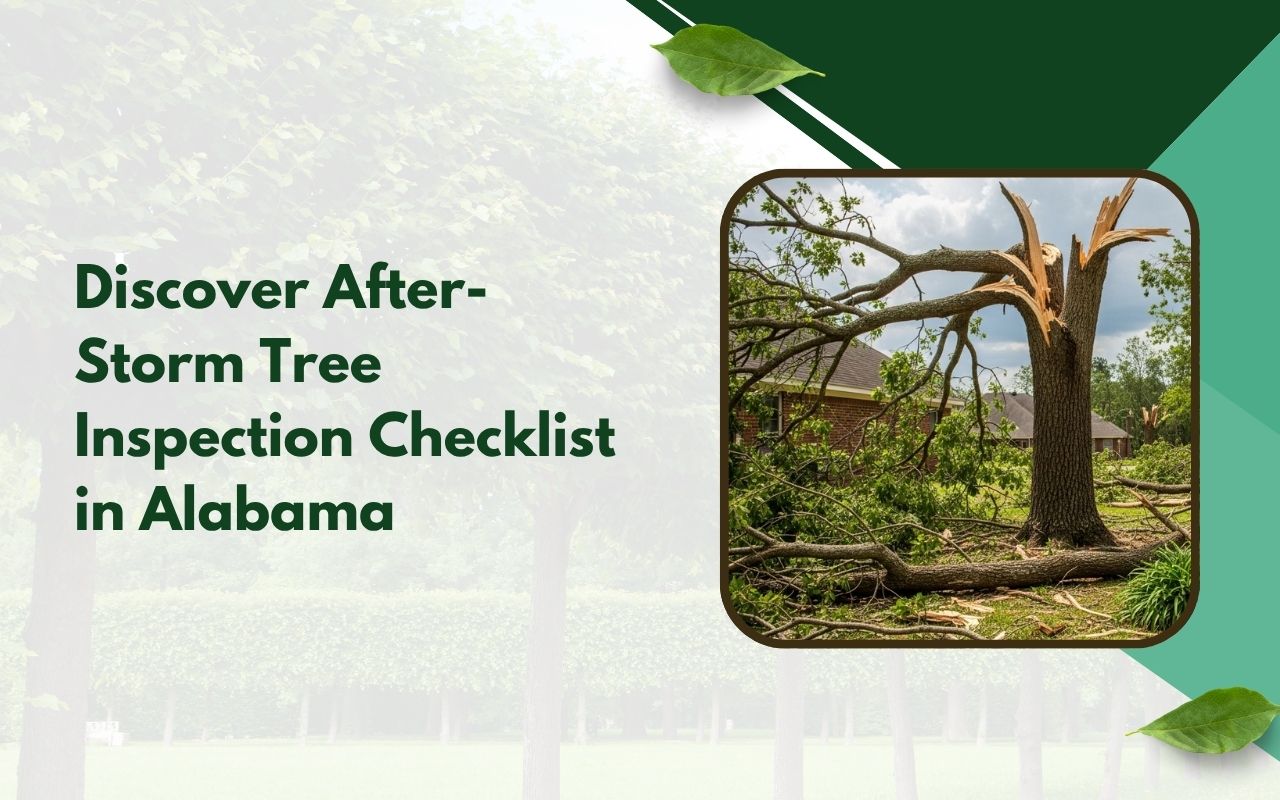
After a storm, Cabrera Professional Tree Service LLC wants families to feel safe and informed. The best place to start is an after-storm tree inspection checklist in Alabama, because it helps you spot damage before a small problem turns into a serious risk.
Moreover, storms can leave broken limbs, weak trunks, and hidden ground movement around trees. With this guide, we explain what to check, when to stay back, and when Cabrera Professional Tree Service LLC should step in to protect your home, yard, and loved ones.
Check Trees and Spot Visible Storm Problems Early
An after-storm tree inspection checklist in Alabama should begin with a slow walk around every tree. First, look from different angles so you can notice missing bark, fresh splits, hanging limbs, or branches that now lean in a strange way.
Then, pay close attention to clear warning signs that often appear right after rough weather. Cabrera Professional Tree Service LLC recommends checking these issues before anyone plays, parks, or walks near damaged trees.
- Broken limbs caught above the ground
- Fresh cracks where branches join the trunk
- Bare spots where leaves or twigs were stripped away
- New leaning that was not there before
Inspect Roots and Watch Ground Shift Carefully
Next, inspect the soil where the tree meets the ground. If the root plate has moved, the tree may no longer have a strong hold, and even a small shift can become more dangerous during the next storm.
Look for raised soil, small ground cracks, exposed roots, or wet, sunken spots near the base. In addition, remove light debris so you can see more clearly. Cabrera Professional Tree Service LLC often finds hidden root trouble in places that seem normal at first glance.
Review the Canopy and Remove Dangerous Debris
After that, step back and study the top of each tree. A full canopy should look balanced, so gaps, torn limbs, or uneven leaf cover may point to storm damage that needs fast attention.
Also, watch for hangers, because these broken branches can drop without warning. For that reason, do not stand under them. Cabrera Professional Tree Service LLC suggests marking risky areas and keeping people away until the tree is made safe.
- Uneven leaf cover after the storm
- Broken limbs stuck high in the canopy
- Scorched leaves from possible lightning strikes
- Branches rubbing or crossing in new ways
Examine Trunks and Notice Stress Before It Spreads
An after-storm tree inspection checklist in Alabama should always include the trunk. Check the full length for vertical cracks, loose bark, soft spots, or holes that may let in water, insects, and decay.
Likewise, touch the bark and look for spongy areas or deep scars that never closed well. These signs can point to weakness inside the tree. When Cabrera Professional Tree Service LLC sees trunk damage, we help homeowners decide whether trimming, support, or removal makes the most sense.
Protect Your Yard and Nearby Outdoor Areas
Tree damage does not stop at the tree itself. Instead, it can affect roofs, fences, driveways, gutters, utility lines, and play spaces. Because of that, check the full yard and remove loose debris before it causes another accident.
As you inspect, note the places where damaged limbs could fall next. Cabrera Professional Tree Service LLC encourages homeowners to treat the whole landscape as part of the safety check, not just the trees alone.
- Driveways and walkways blocked by limbs
- Roof edges or gutters hit by debris
- Branches hanging over cars or play areas
- Trees leaning toward structures or wires
Know When We Should Send Professional Tree Help
Some damage needs expert care right away. If you see major splits, a strong lean, root movement, or burn marks after a strike, an after-storm tree inspection checklist in Alabama is only the first step, and professional service should follow quickly.
When danger is high, visit our storm tree removal service page for fast support. Cabrera Professional Tree Service LLC can assess large hazards, remove unsafe trees, and help lower the chance of more damage after the next round of bad weather.
Frequently Asked Questions
How soon should I inspect trees after a storm?
Ideally, inspect them as soon as conditions are safe and the storm has fully passed. However, stay away from downed wires, unstable limbs, and trees touching structures until trained help arrives.
Can a tree look fine but still be unsafe?
Yes, it can. For example, root damage, inside decay, and hidden cracks may not be easy to see at first. Therefore, changes in soil, leaning, or soft bark should never be ignored.
Should I remove broken branches myself?
Only small debris on the ground should be handled by most homeowners. If branches are hanging, cracked high above, or close to a house or line, professional help is the safer choice.
Why is regular trimming important after storm season?
Regular trimming helps remove weak growth, improves balance, and lowers the chance of breakage in future storms. As a result, trees often stay healthier and yards stay safer.
Where can I ask for an expert tree evaluation?
You can reach us through our contact page. Cabrera Professional Tree Service LLC is ready to inspect storm-damaged trees and explain the safest next step for your property.
Build a Simple Plan and Keep Trees Safer
Once the storm is over, keep notes, take photos, and recheck trees after a day or two. In addition, schedule regular care so small issues do not grow. Our tree trimming service can help reduce future storm risk.
With a clear routine, an after-storm tree inspection checklist in Alabama becomes easier to follow every season. Cabrera Professional Tree Service LLC believes steady care, quick action, and informed decisions help protect your trees, your home, and the people around you.