
how to spot tree pests in Alabama starts with looking closely, and often. Alabama trees shape the landscape and support local wildlife. However, pests can hide and cause harm over time. Borers and scale insects may weaken trees and upset the yard’s balance.
Because early action matters, this guide shares simple checks and smart care steps. You will also learn about IPM and monitoring to catch problems sooner. Whether you love gardening or just want shade, you can protect trees with steady habits.
Common Tree Pests in Alabama Landscapes
In Alabama, warm and humid weather helps pests thrive. Therefore, Cabrera Professional Tree Service LLC encourages routine checks, especially in spring and summer. Some pests chew wood, while others drink sap. Either way, the damage can build quietly.
- Borers that tunnel under bark and inside wood.
- Scale insects that stick to bark and leaves.
- Aphids, mites, and caterpillars that stress leaves and shoots.
- Beetles that can harm ash and pine trees.
Even small pests can create big stress. So, how to spot tree pests in Alabama begins with knowing what is common in your area.
Clear Signs of a Tree Pest Problem
Regular checks make warning signs easier to notice. First, look at leaves and new growth. Then, scan the trunk and main branches. Cabrera Professional Tree Service LLC often finds early clues during simple yard walk-throughs.
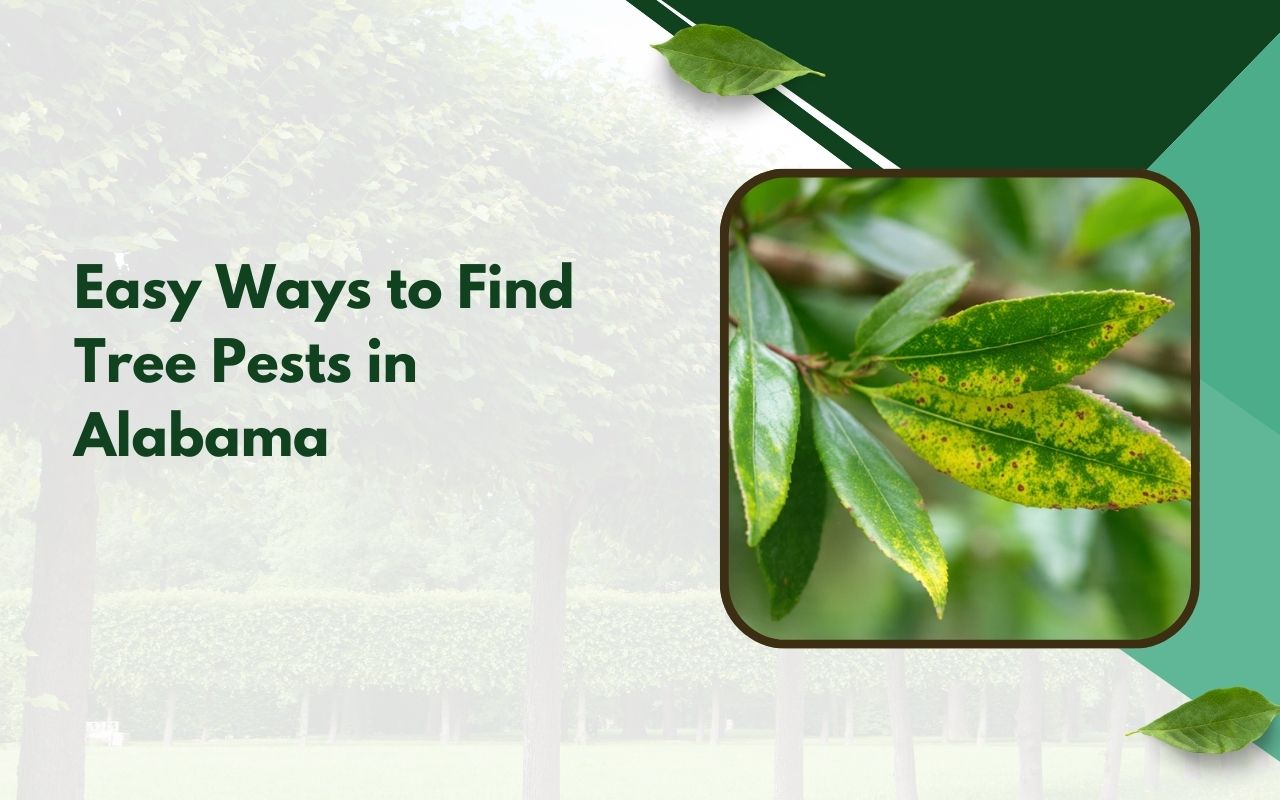
- Yellowing, curling, or spotted leaves.
- Sudden leaf drop during the growing season.
- Tiny holes in bark or powdery debris near the base.
- Sticky coating on leaves, often followed by dark mold.
Also, watch for sap leaks and rough bark areas. These can point to hidden feeding. As a result, how to spot tree pests in Alabama becomes easier with a consistent routine.
Why Early Detection Matters So Much
When you act early, treatment is usually simpler. For example, small issues may be handled with trimming and cleanup. In contrast, delays can let pests spread to nearby trees. That can raise risk across your whole yard.
- Early action can limit damage to water and nutrient flow.
- It can reduce the need for strong sprays.
- It can protect shade value and curb appeal.
Because time matters, how to spot tree pests in Alabama should be part of your seasonal tree care plan.
Integrated Pest Management Steps That Work
IPM focuses on smart, balanced control. It starts with watching tree health and choosing the least disruptive option. Cabrera Professional Tree Service LLC often combines simple care with targeted steps to reduce pest pressure.
- Inspect trunks and branches for fresh damage each month.
- Prune weak or infested limbs and dispose of debris safely.
- Support helpful insects by limiting broad sprays.
- Use gentle soaps or oils only where needed and at the right time.
Additionally, keep trees strong with deep watering and proper mulch. That resilience helps trees handle stress. Therefore, how to spot tree pests in Alabama pairs well with steady IPM habits.
Monitoring Habits for Healthier Trees
Monitoring means tracking changes over time. So, choose one day each month to check the same trees. Write down what you see, even if it looks minor. Cabrera Professional Tree Service LLC recommends notes because patterns often show up later.
- Record leaf color changes and bare spots in the canopy.
- Check bark seams and branch joints for fresh holes.
- Look under leaves for clusters and shiny residue.
You can also use sticky bands on the trunk to catch crawlers. While it is simple, it can reveal activity quickly. In turn, how to spot tree pests in Alabama becomes more accurate with good monitoring.
Frequently Asked Questions
How often should I inspect my trees?
Monthly checks work well, and weekly checks help during peak heat. Consistency improves how to spot tree pests in Alabama.
What do borers usually leave behind?
They often cause small bark holes and fine debris near the trunk. You may also see weak branches or canopy thinning.
How do scale insects show up on trees?
They look like tiny bumps on bark or leaves. You may also notice sticky residue and dark mold growth.
What is IPM in simple terms?
IPM is a step-by-step plan that starts with watching and prevention. Then it uses gentle control first, and stronger steps only if needed.
When should I call a professional?
If damage spreads fast or the tree looks unsafe, call help. Use Cabrera Professional Tree Service LLC for a focused inspection and a clear plan.
Natural Options to Reduce Pest Pressure
Natural methods can help when problems are small. First, rinse leaves with a gentle spray of water. Then, use safe plant-based oils if needed. Cabrera Professional Tree Service LLC can guide timing, since heat and sun can stress leaves.
- Neem-based sprays can reduce sap-feeding pests.
- Soapy mixes can help on contact when used carefully.
- Native flowers can attract helpful predator insects.
Still, avoid overuse of any spray. Instead, combine natural steps with monitoring for best results. That balance supports how to spot tree pests in Alabama without harming yard life.
When Professional Tree Inspections Help Most
Some pests hide deep under bark. So, trained pros can spot issues that are easy to miss. Cabrera Professional Tree Service LLC can check wood condition, canopy health, and stress factors that invite pests.
If you also need targeted shaping, consider proper seasonal care. For example, learn more through tree pruning in Madison, AL to remove weak limbs that attract pests.
Prevention Tips to Protect Alabama Trees
Healthy trees resist pests better. Therefore, focus on good basics first. Keep mulch a few inches away from the trunk. Also, water deeply during dry stretches. Cabrera Professional Tree Service LLC often sees fewer pest problems in well-cared yards.
- Choose tree types that fit Alabama weather and soil.
- Keep spacing for airflow and faster drying after rain.
- Avoid heavy feeding that causes soft, easy-to-attack growth.
In addition, maintain a safe canopy shape. If branches are crowded, pests can spread faster. Learn more through tree trimming in Decatur, AL for cleaner structure and better light flow.
Protecting Alabama’s Trees Over the Long Term
how to spot tree pests in Alabama is easier when you combine simple checks with smart care. Watch for leaf changes, trunk holes, and sticky buildup. Then respond early with pruning, cleanup, and IPM steps. Finally, keep a monitoring habit to catch patterns.
If you want support, reach out to Cabrera Professional Tree Service LLC through the Cabrera Professional Tree Service LLC contact page to discuss an inspection plan for your property.