
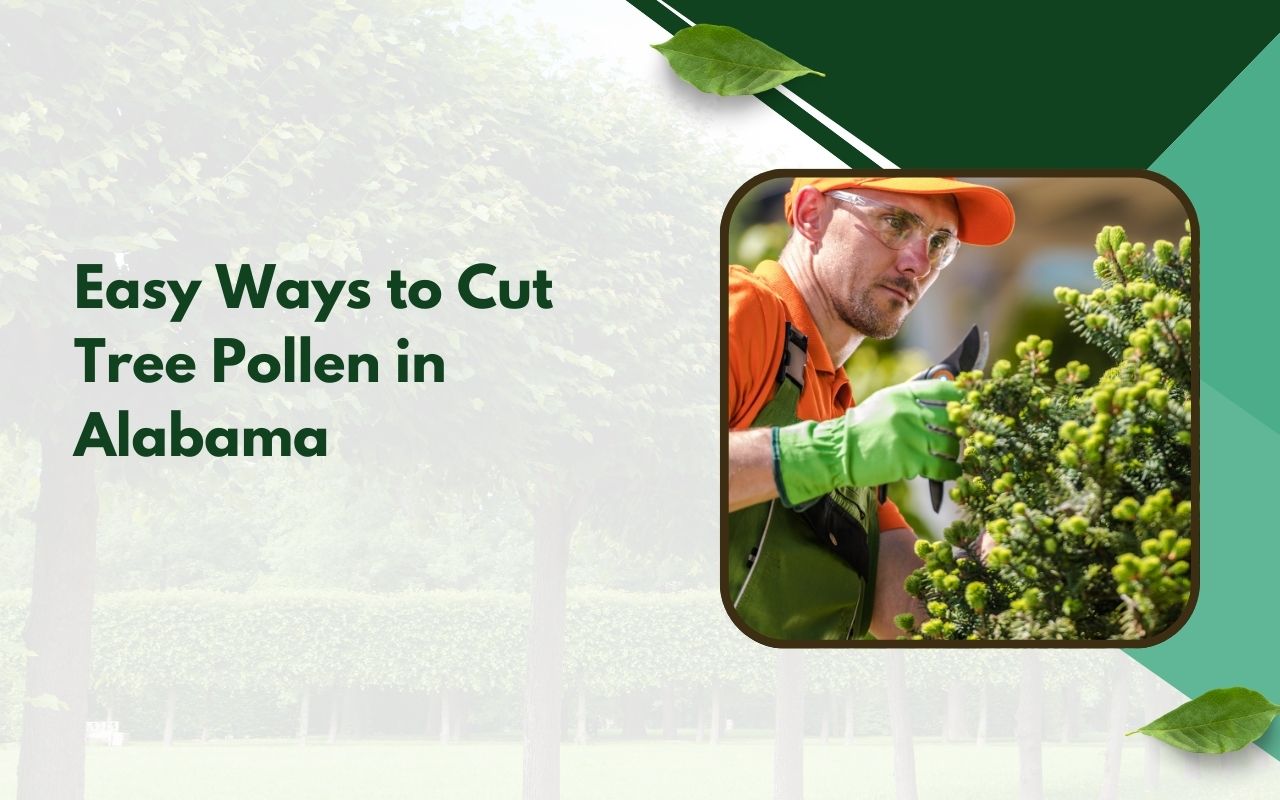
Reduce Allergies with Tree Pollen Reduction Trimming Tips in Alabama. Breathe easier this allergy season by adopting some practical changes that make a huge difference in your daily life.
As spring takes over Alabama, many residents deal with itchy eyes and constant sneezing. Tree pollen is often a major culprit, and while blossoms look great, the discomfort is real. Explore tree pollen reduction trimming tips in Alabama to make your yard feel more allergy-friendly and calmer each day.
Identify Allergy-Heavy Trees Around Your Home
First, surveying your landscape helps you spot trees that send lots of pollen into the air. In Alabama, oak, cedar (Juniperus virginiana), pine, birch, and hickory are common offenders. Cabrera Professional Tree Service LLC often sees cedar trees with drooping catkins that hang like tassels and release pollen on dry, windy days.
However, you can plan smarter if you map the trees near your home. Look for male catkins and early leaf bursts, especially on cedar and birch. Then, mark those trees so you can trim with purpose and support better allergy relief.
- Walk your yard and list each tree type you recognize.
- Look for hanging catkins in late winter.
- Note trees near windows, patios, and entryways.
- Prioritize the trees closest to where your family spends time.
Understand How Pollen Forms and Spreads
Next, recognizing how trees generate pollen helps you pick the right trimming moment. Most allergy-triggering trees create pollen in male cones or catkins. Catkins are clusters of tiny flowers that dangle from branches and act like pollen factories when they mature.
When spring arrives, catkins open and disperse pollen into the air. Dry, sunny days increase spread, while rain can knock pollen down for a short time. So, if you trim before catkins mature, you can reduce what gets released. That is why tree pollen reduction trimming tips in Alabama often focus on timing first.
Pick the Best Time to Trim in Alabama
Planning your schedule around peak pollen production can lower airborne allergens. In Alabama, the best window is late winter to early spring, often around February to early March, before buds break and flowers form. Cabrera Professional Tree Service LLC can help you plan a safe trim window that fits your trees and your property.
Trimming too early can stress trees in cold snaps, while trimming later can stir up mature catkins. Therefore, aim for a calm, dry day in late winter to reduce pollen spread and support allergy relief sooner.
- Choose a low-wind day to limit drifting pollen.
- Trim before buds and catkins fully form.
- Avoid heavy cuts during freezing conditions.
- Plan trimming before outdoor events or yard projects.
Use the Right Tools for Cleaner Cuts
Also, good tools make trimming faster and cleaner. You’ll need sharp pruning shears for small branches, loppers for medium limbs, and a pruning saw for thicker branches. A pole saw can help you reach higher limbs without ladders in many cases.
To protect yourself, use gloves and safety glasses. For easier cleanup, place a tarp under the work area. Cabrera Professional Tree Service LLC recommends keeping tools sharp, since clean cuts help trees heal better and keep the work more controlled.
Trim in Ways That Limit Pollen Clouds
Even with great timing, technique matters. First, lightly mist branches with water to help suppress pollen release. Then, trim in small sections instead of making big cuts that shake the canopy.
Additionally, prune during low-wind periods, like early morning or late afternoon. If you can, wrap trimmed limbs in plastic bags right after cutting. This keeps pollen contained and makes cleanup smoother, which supports allergy relief at home.
If you want a local pro to handle higher limbs and tricky cuts, explore the service details on tree trimming in Decatur, AL, where Cabrera Professional Tree Service LLC outlines safe options for homeowners.
Handle Cleanup and Disposal the Right Way
After trimming, disposal is just as important. Gather branches onto a tarp, then seal them in heavy-duty yard bags. Avoid leaving piles in the yard, because sun and wind can dry limbs and release trapped pollen again.
For large debris, consider chipping on-site or hauling pieces away the same day. If you compost, use an enclosed bin and turn it only when pollen levels are lower. These steps fit tree pollen reduction trimming tips in Alabama because they prevent a second wave of pollen spread.
- Bag limbs quickly so pollen stays contained.
- Rinse patios and hard surfaces after you finish.
- Keep debris out of breezy, sunny spots.
- Schedule pickup or hauling promptly.
Frequently Asked Questions
Do trimming and pruning really help with allergy relief?
Yes, they can help, especially when you trim before catkins mature. You may not eliminate pollen, but you can lower what lands near your home.
What are catkins, and why do they matter?
Catkins are drooping flower clusters on certain trees. They release pollen when mature, so timing your trimming before that stage can reduce spread.
Should I trim on a windy day if I am in a hurry?
No. Wind can carry pollen farther and make symptoms worse. Instead, choose a calm day to keep the work more contained.
How fast should I do cleanup after trimming?
As soon as possible. Quick cleanup reduces the chance that pollen trapped in branches dries out and re-enters the air.
When should I call Cabrera Professional Tree Service LLC?
Call when limbs are high, heavy, or near structures, or when you want a seasonal plan. Use the contact Cabrera Professional Tree Service LLC page to request help for your property.
Monitor Pollen After Trimming and Keep Up Maintenance
Finally, stay alert after trimming. Local reports often share daily pollen levels. On high-pollen days, keep windows closed and limit outdoor time during midday peaks. Indoors, consider an air purifier to support allergy relief.
Outside, regular cleanup matters too. Sweep decks and patios, rinse outdoor furniture, and refresh mulch to trap settled pollen. With steady habits, tree pollen reduction trimming tips in Alabama can keep working long after the last cut.
Work With Pros for an Allergy-Friendly Yard Plan
If you want a stronger long-term plan, a certified arborist can help. Pros understand tree biology, safe pruning, and the best timing for pollen control. Cabrera Professional Tree Service LLC can assess your yard, recommend what to trim, and help keep trees healthy and balanced.
They may also suggest lower-pollen choices for future planting. As a result, you can build a yard that feels better season after season, with fewer flare-ups and easier outdoor days.
Create a Simple Year-Round Allergy Plan
To keep results steady, use a seasonal routine. Start each winter by identifying high-pollen trees. Then schedule trimming in the late-winter window and pair it with smart cleanup. Indoors, change HVAC filters often and use a HEPA vacuum for better allergy relief.
Track symptoms and compare them with local pollen forecasts. Over time, small tweaks can make a big difference. With a consistent approach, tree pollen reduction trimming tips in Alabama can help you enjoy spring without constant sneezing.
Conclusion
Combining careful trimming, the right timing, and fast cleanup can reduce allergens near your home. When you identify high-pollen trees, watch for catkins, and use safer cutting methods, you support better comfort outside.
Pair these tree pollen reduction trimming tips in Alabama with ongoing maintenance and professional help when needed. Then you can enjoy Alabama’s spring beauty with fewer sniffles, less irritation, and more peace in your yard.